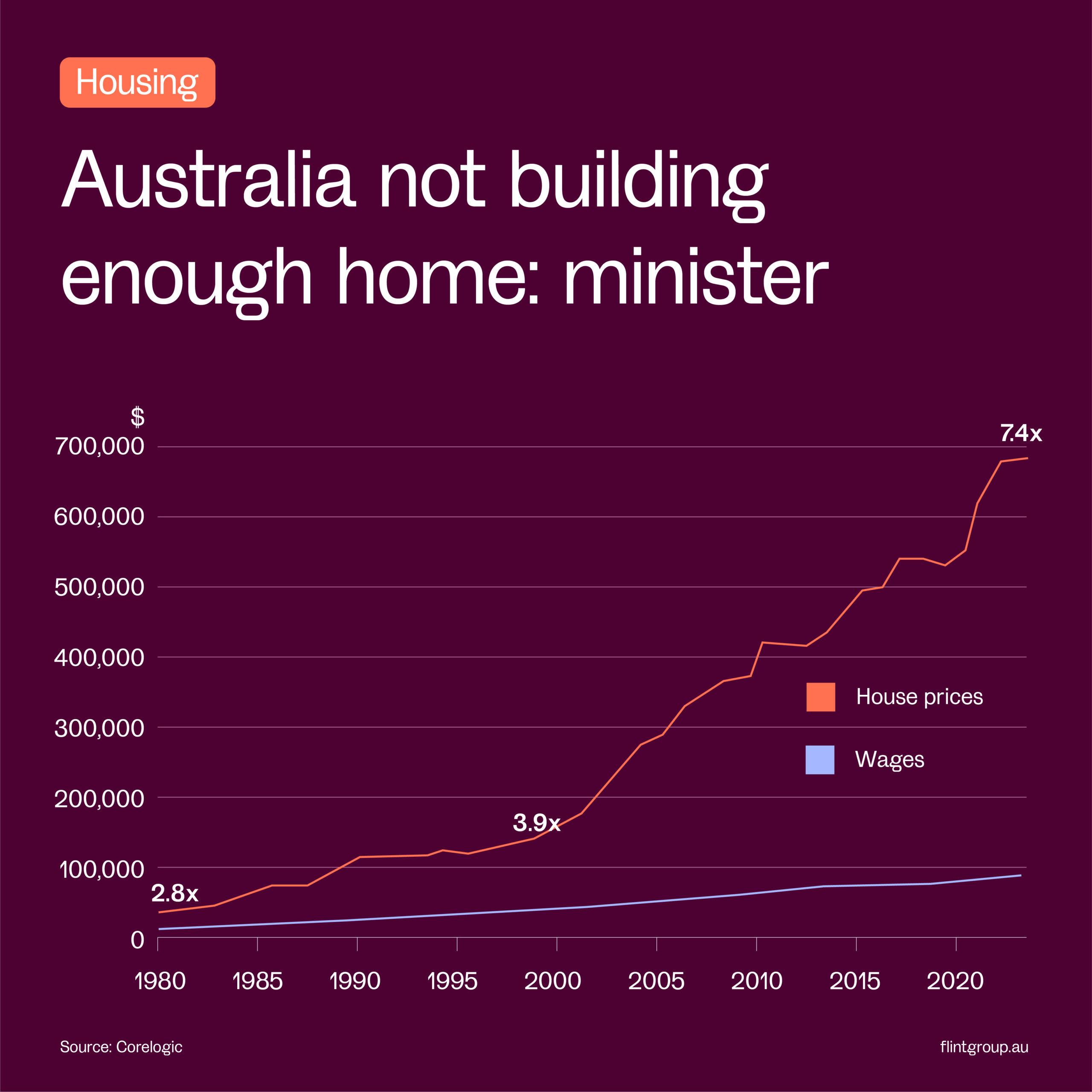
Beneath the sun-drenched skies and sprawling landscapes of Australia lies a growing challenge that touches the lives of millions-the housing crisis. Once a symbol of stability and promise, the nation’s property market now tells a more complex story of soaring prices, limited availability, and deepening inequality. As cities expand and population pressures mount, the dream of secure and affordable housing drifts further out of reach for many Australians. This article delves into the intricate web of factors fueling the crisis, exploring its impact on communities and the hopeful paths toward sustainable solutions.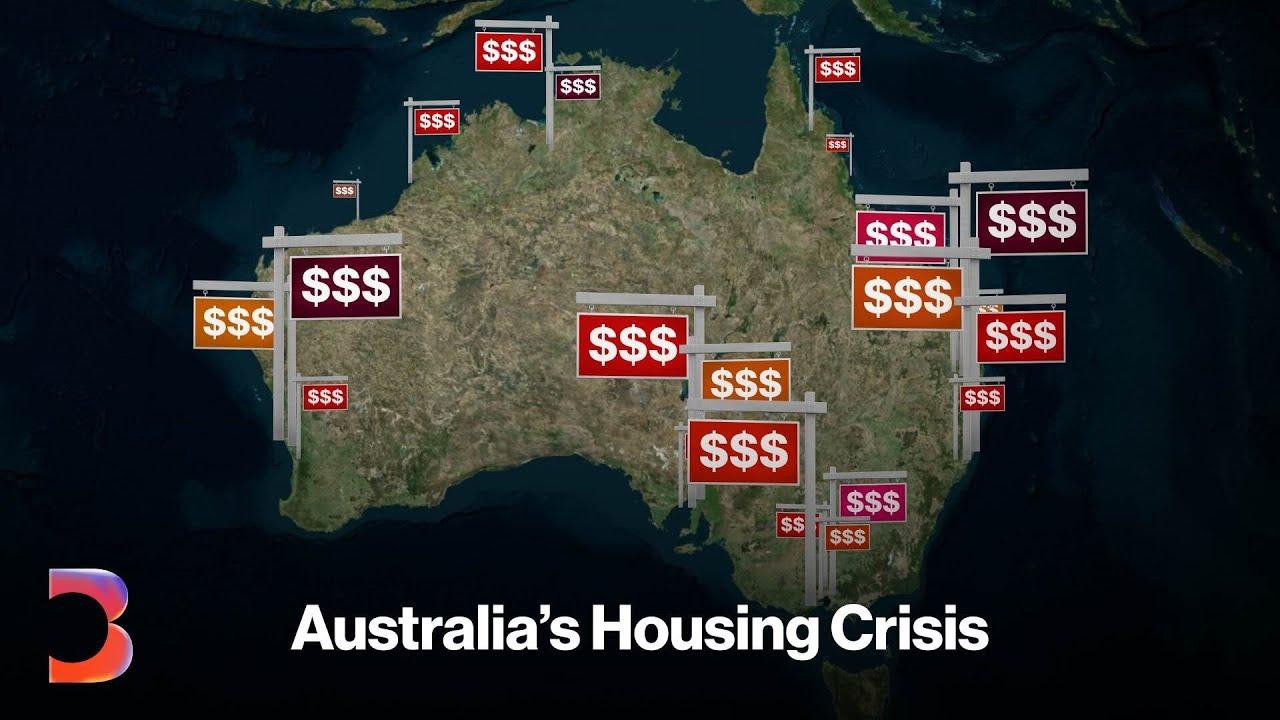
Understanding the Root Causes of Australia’s Housing Shortage
The shortage of affordable housing in Australia stems from a complex web of factors that intertwine policy, economic growth, and demographic shifts. Rapid population growth, especially in major cities like Sydney and Melbourne, has outpaced the supply of new homes. Additionally, restrictive zoning laws and lengthy approval processes act as barriers to quick and efficient development. These regulatory constraints often limit both the density and diversity of housing options, pushing prices higher and leaving many Australians struggling to find suitable accommodation.
Beyond policy issues, economic trends contribute significantly to the problem. Investor-driven demand, fuelled by low interest rates and tax incentives, often prioritizes high-end developments over affordable housing. Meanwhile, construction costs have surged due to labor shortages and rising material prices, further limiting the affordability of new builds. The table below illustrates key factors contributing to Australia’s housing shortage, highlighting the interplay between supply constraints and economic pressures:
| Factor | Impact | Result |
|---|---|---|
| Population Growth | Increased demand | Housing scarcity in urban areas |
| Zoning Restrictions | Limits development scope | Reduced housing diversity |
| Investor Demand | Preference for high-return properties | Less affordable housing |
| Construction Costs | Rising labor and material expenses | Higher housing prices |
The Impact of Rising Prices on Diverse Communities
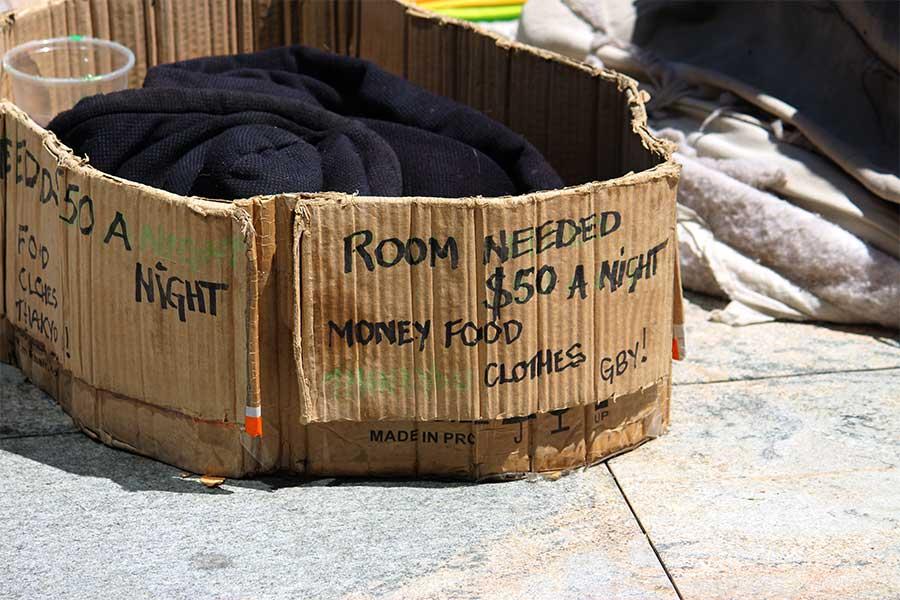
As housing prices continue to surge, the consequences ripple unevenly across Australia’s diverse communities. Marginalized groups, including indigenous populations and recent immigrants, face disproportionate challenges due to limited access to affordable housing options. The escalating costs not only hinder their ability to purchase homes but also threaten their long-term economic stability, forcing many into overcrowded living conditions or rental markets with exploitative pricing.
Communities district-wise illustrate stark contrasts in impact, often correlating with socioeconomic factors:
- Urban centers: Young professionals are squeezed out from inner-city living, driving a rise in commuter towns.
- Regional areas: Reduced investment in local infrastructure exacerbates housing shortages despite lower price increases.
- Rural zones: Agricultural workers find affordable housing scarce, impacting workforce retention.
| Community | Average Price Increase (Last 5 Years) | Access to Affordable Housing (%) |
|---|---|---|
| Metropolitan Areas | 45% | 30% |
| Regional Towns | 25% | 45% |
| Rural Communities | 18% | 50% |
Innovative Solutions to Increase Affordable Housing Supply
Addressing the shortage of affordable homes requires bold, forward-thinking strategies that transform how we plan, build, and finance housing. One promising approach is the integration of modular construction, which significantly reduces construction time and costs. By assembling components off-site and rapidly deploying them, developers can bring projects to market faster, easing supply constraints. Additionally, partnering with community land trusts allows local groups to maintain long-term affordability, ensuring that homes remain accessible to diverse income groups without sacrificing quality or location.
Creative financing models also unlock new possibilities. For example, social impact bonds and cooperative housing funds enable investors to back affordable development projects while sharing in the social rewards. Incentivizing adaptive reuse of underutilized commercial spaces, such as converting office buildings into residential units, leverages existing infrastructure without the need for large-scale land acquisition. Below is a simple comparison of key innovative solutions playing a role in increasing affordable housing:
| Solution | Benefit | Challenge |
|---|---|---|
| Modular Construction | Faster build times | Regulatory hurdles |
| Community Land Trusts | Long-term affordability | Limited scale |
| Adaptive Reuse | Cost-effective | Zoning restrictions |
| Social Impact Bonds | Innovative financing | Complex implementation |
Policy Recommendations for Sustainable Urban Development
To address the complexities of Australia’s housing challenges, a multi-faceted policy approach is essential. Incentivizing green building practices should be at the core of urban growth strategies, encouraging developers to incorporate energy-efficient materials and designs that reduce environmental impact. Additionally, expanding public transit networks and enhancing pedestrian-friendly infrastructure can reduce urban sprawl while improving accessibility. Local governments must also collaborate closely with community groups to tailor development plans that respect cultural heritage and biodiversity, fostering inclusive neighborhoods that thrive sustainably.
Prioritizing affordability through innovative zoning laws is critical. Policies could emphasize the creation of mixed-use developments that combine residential, commercial, and social spaces, promoting diverse and vibrant communities. Below is a simplified outline of key recommendations to embed sustainability into housing policy frameworks:
- Implement mandatory green certification for new constructions
- Introduce tax incentives for affordable housing projects
- Promote adaptive reuse of existing buildings to limit new land use
- Enforce higher density allowances near transport hubs
- Support local innovation in building techniques to reduce costs
| Policy Area | Focus | Expected Impact |
|---|---|---|
| Green Construction | Energy Efficiency | Lower carbon footprint, reduced utility costs |
| Zoning Reform | Density & Affordability | Increased housing options, diverse communities |
| Transport Integration | Accessibility | Less car dependency, healthier urban living |
To Wrap It Up
As the sun sets over Australia’s sprawling cities and quiet suburbs, the housing crisis remains a complex puzzle-woven from economic pressures, policy challenges, and shifting societal needs. Finding solutions won’t be simple or swift, but acknowledging the depth of the issue is a crucial first step. With thoughtful collaboration and innovative approaches, perhaps the next chapter in Australia’s housing story will be one of accessibility, stability, and hope for all who call this land home.